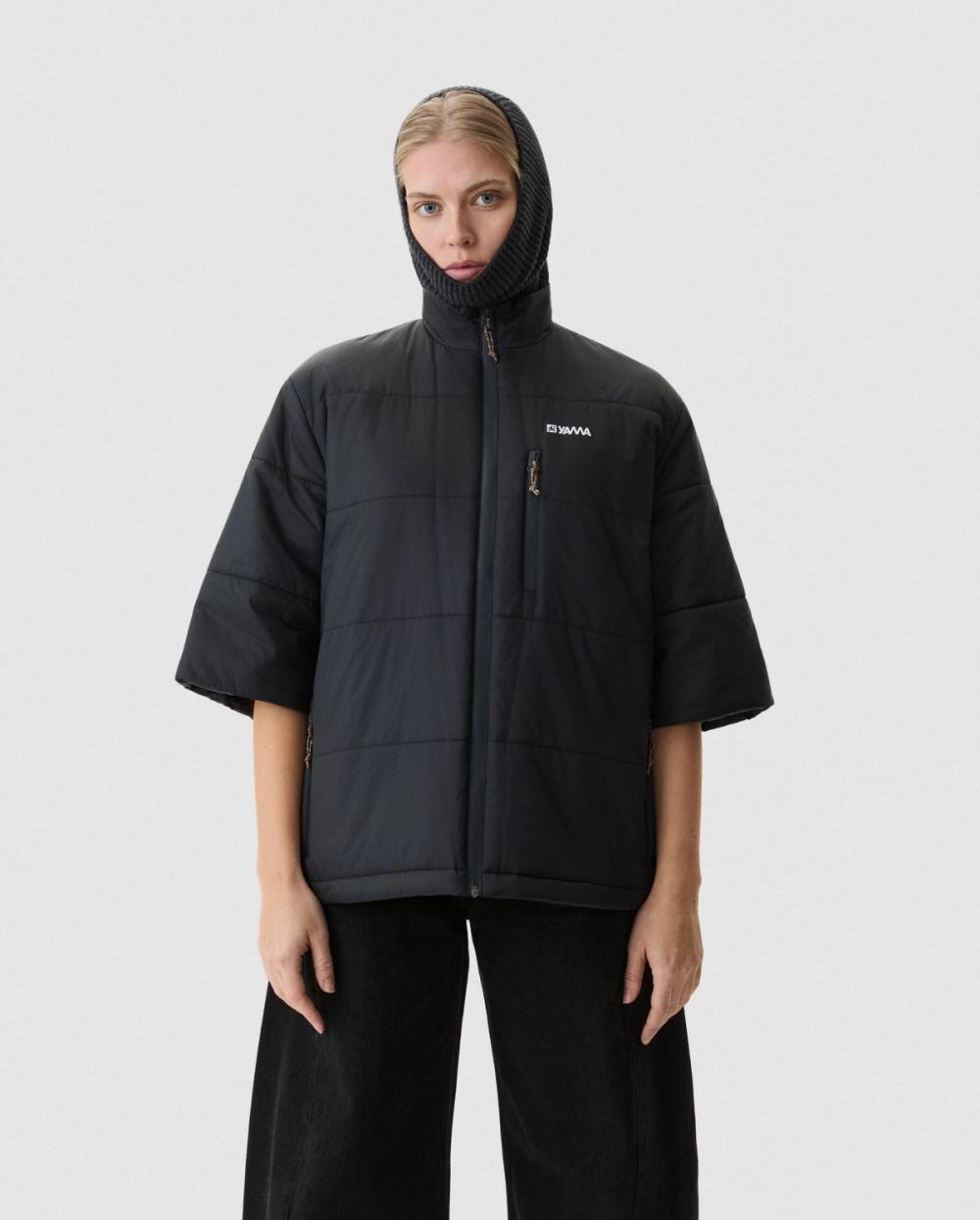
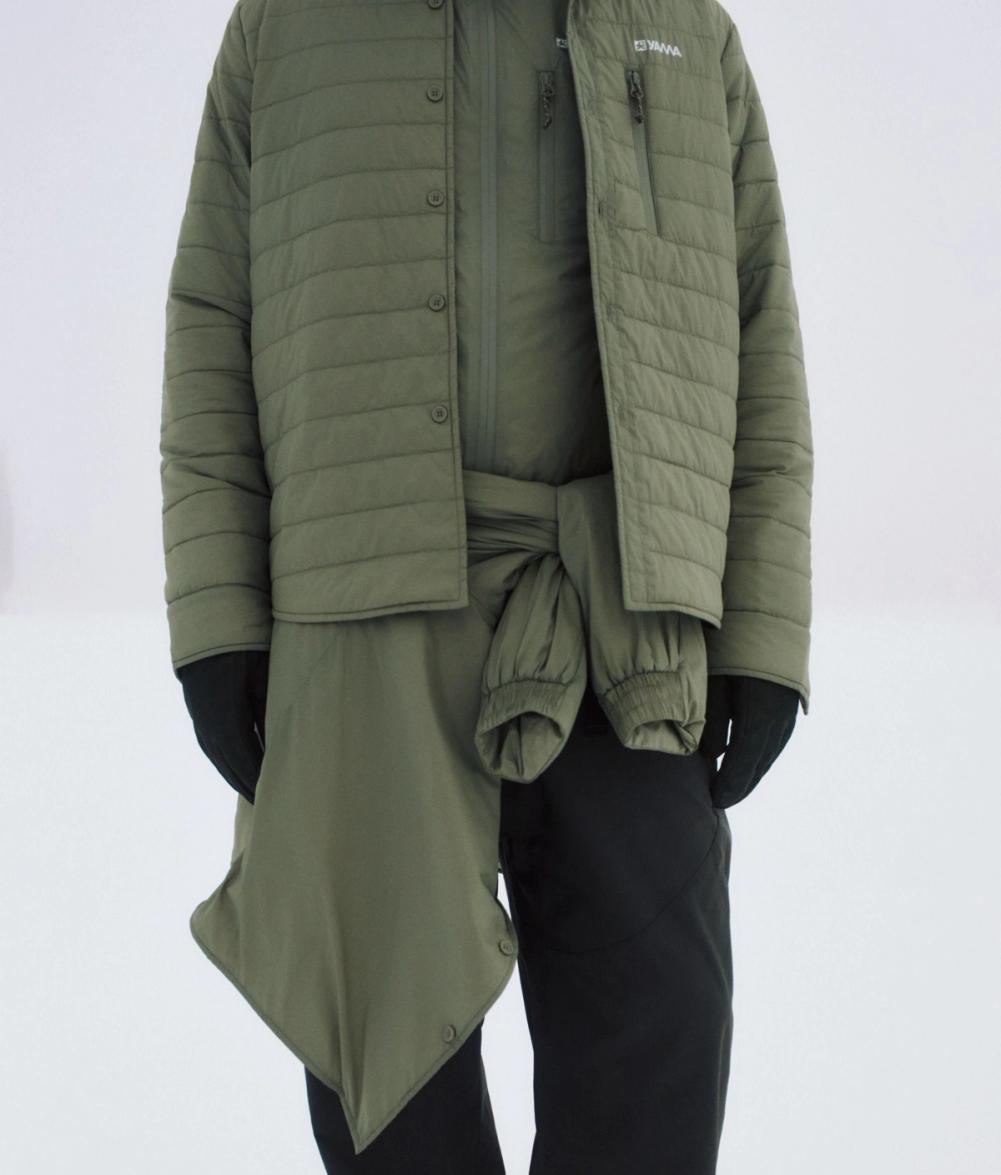
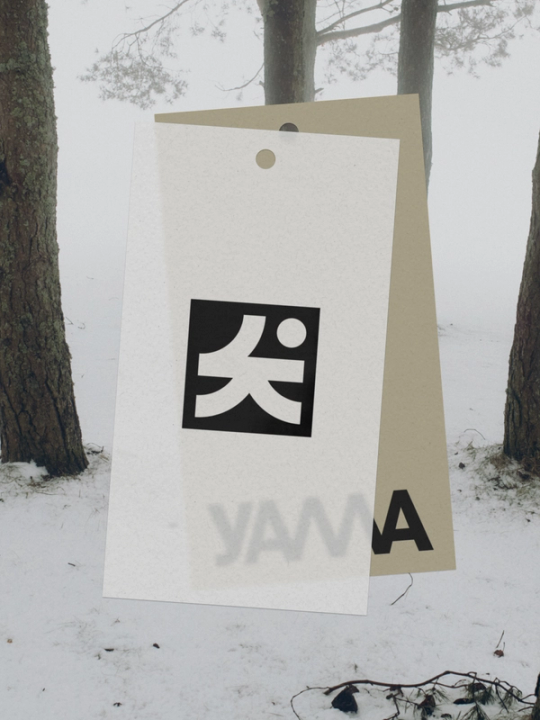
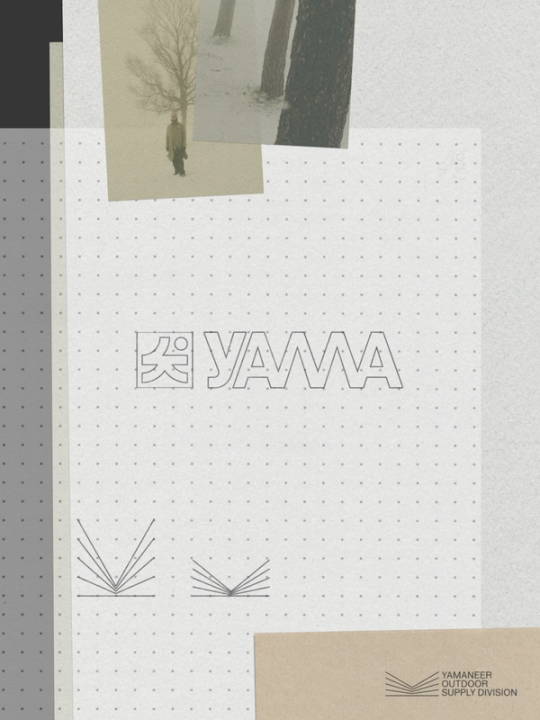
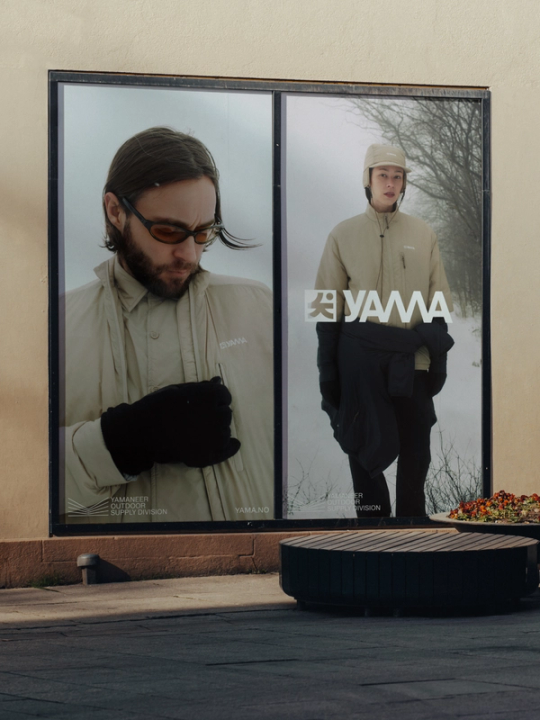
Yama is built on a circular philosophy — clothing that lives longer, gets used more, and is returned with dignity. For that to be more than empty words, the brand and platform had to carry that promise all the way into the buying experience.
Highlights


About the project
Born in Norway, shaped by nature and the needs of modern movement, Yama builds on a shared belief in purposeful design and lasting quality. Rooted in movement, form, and function—and inspired by Nordic minimalism—we create versatile layering pieces crafted with intention using responsible materials and a circular approach driven by purpose, durability and longevity. Behind Yama stands a broad and growing network of adventurers, aesthetes, designers, and brand builders—people with deep experience in outdoor performance, fashion, and creative direction, with a shared vision of how a brand can inspire and connect.
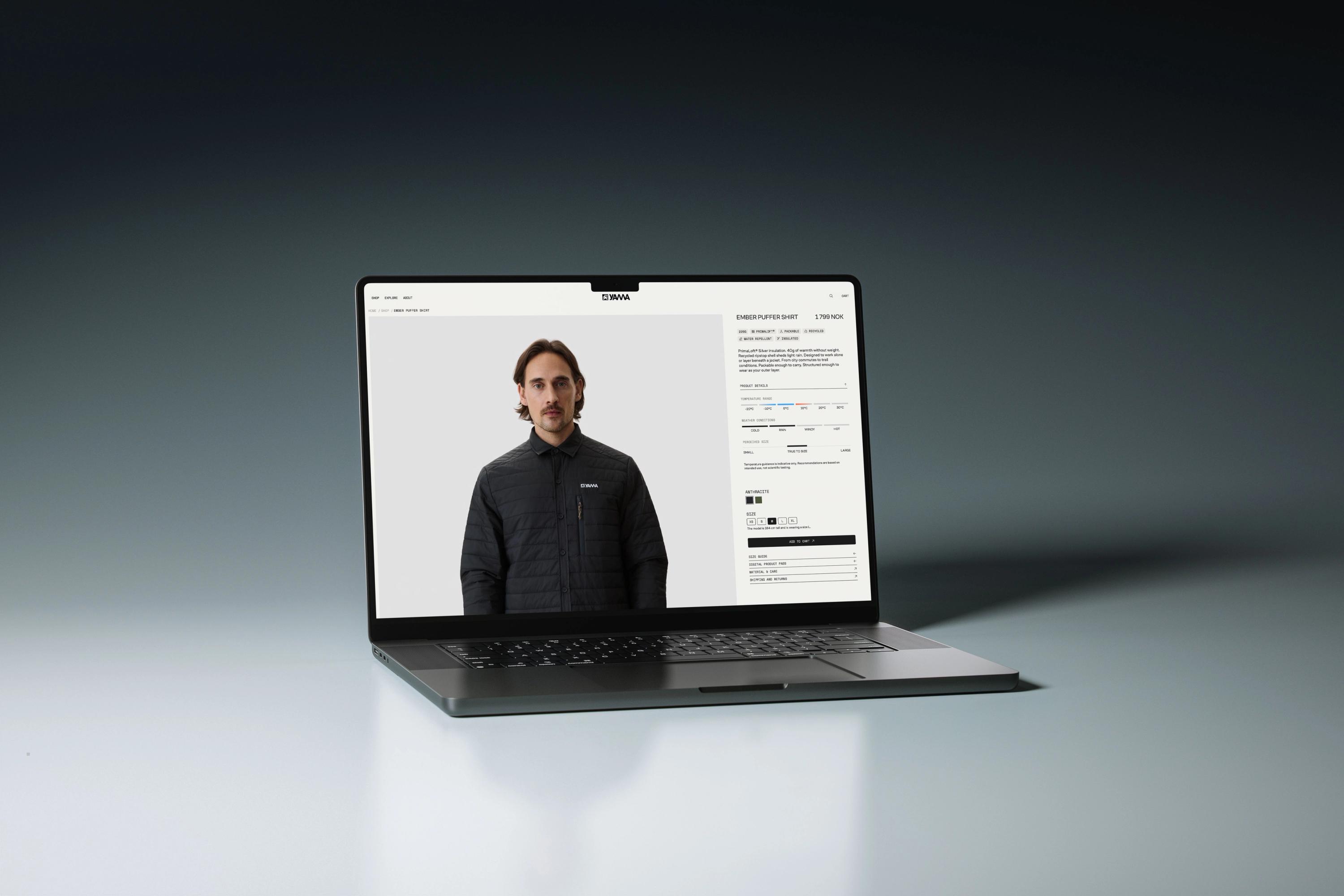
We were responsible for brand strategy, visual identity, and digital platform: designed as one system. The online store is built on Nonspace Storefront with Shopify and Sanity, and includes a digital product passport, structured returns programme, and repair service integrated directly into the solution.
Yama operates at the intersection of outdoor performance and urban lifestyle. That demands credibility on both fronts and finding a visual and verbal identity that felt at home in both worlds without belonging fully to either was the first task.
The second was translating circular ambition into something operational. Yama's sustainability commitments are not marketing language. They are promises that needed to work on the platform, structurally, not just rhetorically. That meant building infrastructure that goes well beyond what a standard e-commerce setup typically handles: a take-back programme, a repair service, and a system for tracking each garment through its full lifecycle.
There was also a more immediate conversion challenge. Customers would be buying premium outdoor garments without being able to touch or try them. The platform needed to communicate quality, durability, and purpose convincingly enough to earn that trust.
The platform was designed to feel more considered than a typical online store. Unhurried, intentional, with room to breathe.
The shop is restrained by design: eight products, clearly categorised, with colour filtering that makes the collection feel curated rather than incomplete. Nothing is trying to sell you more than you need.
The Explore section is where the brand's philosophy takes shape. Split into Stories and Guides, it resists the pull of the content feed. Stories like City to Trail and Seasonless don't describe products — they describe a way of living. Guides like Care Basics and Layering for Changing Conditions treat the customer as someone who wants to understand what they own, not just own it. One of these guides sits embedded directly in the shop grid, a quiet reminder that how you care for something matters as much as the purchase itself.
The Digital Product Pass is perhaps the most quietly radical element on the platform. Every garment ships with a QR code, no app, no account required, that opens a product-specific page detailing materials, care, journey, and repair options. It doesn't expire. It travels with the garment through every wash, repair, resale, and hand-off, making the product's history visible and its future more considered. In an industry where sustainability is often a label, this makes it a living record.
The take-back programme turns circular ambition into a concrete transaction. After 12 months, customers can return a garment and receive a discount on their next purchase. Each piece is assessed by partner FIKSE / Manufacture Oslo and routed into one of four second lives: resale, rework, redesign, or archive.
The repair service completes the picture. Customers can book a repair directly through the platform, guided by the same care philosophy that runs through every other touchpoint.
Together, these decisions add up to something rare: a store built around the full life of a garment, not just the moment of purchase.

Yama enters the market with something most new brands take years to build: a clear identity, a considered digital experience, and a circular infrastructure that is not only communicated but operational.
Customers can repair, return, and re-circulate directly through the platform. The process is documented, the partners are real, and the garment's history travels with it. This positions Yama not merely as a clothing brand, but as a new standard for responsible outdoor lifestyle in the Norwegian market and a model for how brand values and platform design can work as one.
3D & clothes: Manufacture Oslo,
Digital Product Passport: Repass.io,
Repair Service: FIKSE
Photo: Sture Nordhagen


Relevant cases

A New Website

Making Norwegian Football’s Strategy Digital and Accessible

Make Your Mark